
HOUSEPLANTS
How to Care for Your Christmas, Thanksgiving, and Easter Cactus All Year Round
These three holiday cacti – Christmas (Schlumbergera x buckleyi), Thanksgiving (Schlumbergera truncata), and Easter (Rhipsalidopsis gaertneri) – are beloved for their vibrant blooms that brighten homes just when we need color the most.
While they’re often confused for each other, each has its own bloom season, subtle leaf shape differences, and care needs.
Understanding the Differences Between the Holiday Cacti
Before diving into care, it’s important to identify which cactus you have.
Thanksgiving Cactus (Schlumbergera truncata)
- Bloom time: Late November to early December.
- Leaf shape: Pointed, claw-like segments with sharp edges.
- Flowers: Grow horizontally and have distinct “claws” at the tips.
Christmas Cactus (Schlumbergera x buckleyi)
- Bloom time: Mid-December through January.
- Leaf shape: Smooth, rounded edges.
- Flowers: Hang down gracefully like bells, with soft, curved petals.
Easter Cactus (Rhipsalidopsis gaertneri)
- Bloom time: Spring (March–April).
- Leaf shape: Rounded, smaller segments.
- Flowers: Star-shaped and open wide.
Knowing which one you have will help you tailor light and watering schedules, as their rest and blooming periods differ slightly.
Ideal Light Conditions
All three cacti are tropical epiphytes, not desert dwellers. In nature, they grow in tree canopies under filtered light – so direct sun can scorch them.
- Bright, indirect light is perfect. Place your plant near an east-facing window or a few feet from a south or west window with filtered curtains.
- Too little light = weak growth and fewer flowers.
- Too much direct sun = red-tinged or yellowing segments.
During summer, they enjoy spending time outdoors in dappled shade – just make sure to bring them in before temperatures drop below 10 °C (50 °F).
Temperature and Humidity
Holiday cacti thrive in cool, humid environments.
- Daytime: 18–24 °C (65–75 °F)
- Nighttime: 13–18 °C (55–65 °F)
- Humidity: 40–60 %
If your home is dry, especially in winter, boost humidity with a pebble tray, room humidifier, or by grouping plants together. Avoid placing them near heating vents or drafts, as this can cause bud drop.
Watering the Right Way
The number-one mistake most people make is overwatering.
Holiday cacti prefer slightly moist soil, but never soggy. Because they’re epiphytic, their roots need air circulation.
Watering Schedule
- Spring and summer (active growth): Water when the top 1 inch (2.5 cm) feels dry.
- Fall (bud formation): Slightly reduce watering.
- Winter (after blooming): Let the soil dry out more between waterings.
Always use room-temperature, filtered, or rain water if possible – they’re sensitive to chlorine and salts.
Empty saucers after watering so roots don’t sit in water.
Signs of Overwatering
- Mushy or translucent leaves
- Foul-smelling soil
- Wilting despite moist soil
Signs of Underwatering
- Shriveling or limp segments
- Slow growth
- Flower buds dropping prematurely
Soil and Potting Mix
A well-draining but moisture-retentive mix is key.
Use:
- 1 part high-quality potting soil
- 1 part orchid bark or coconut coir
- 1 part perlite or pumice
Avoid regular cactus or succulent soil alone – it’s too dry for epiphytes.
Pot Choice
Choose a pot with drainage holes. Plastic retains moisture longer; terracotta allows faster drying. Repot every 2–3 years after blooming season in spring to refresh nutrients and prevent compaction.
Feeding Your Cactus
Fertilizer helps maintain strong growth and encourage blooms.
- Spring to early fall: Feed every 4 weeks with a balanced fertilizer (e.g., 20-20-20 or 10-10-10) diluted to half strength.
- Late fall and winter: Stop fertilizing during dormancy.
For extra flower power, switch to a phosphorus-rich fertilizer (10-30-10) in late summer before buds appear.
Always water before fertilizing to prevent root burn.
Pruning and Shaping
Pruning keeps your cactus compact and encourages branching.
- When: After blooming in late winter or early spring.
- How: Twist off or cut between leaf segments using clean shears.
- Why: Each cut encourages two new segments to grow, creating a fuller plant.
You can root these segments easily – just let them dry for 24 hours, then insert into moist soil. In a few weeks, new roots form.
How to Get Them to Bloom Again
The magic of holiday cacti is their ability to rebloom every year – if you mimic nature’s cues.
Step 1: Cool Nights and Short Days
Starting about 6–8 weeks before your desired bloom time, give your plant:
- Darkness for 12–14 hours per night, and
- Cool temperatures around 15 °C (60 °F)
You can cover the plant with a box or move it to a dark room overnight. This light/dark cycle triggers bud formation.
Step 2: Reduce Watering
During this pre-bloom stage, water sparingly – just enough to keep soil barely moist. Too much moisture now can cause buds to drop.
Step 3: Don’t Move It
Once buds form, avoid moving or rotating the plant. Changes in light direction or temperature can cause buds to fall off before blooming.
Post-Bloom Care (Rest Period)
After blooming, your cactus enters a short rest period that’s crucial for recovery.
What to Do
- Trim faded flowers.
- Move to a cooler spot (around 55–60 °F / 13–15 °C) with bright, indirect light.
- Water lightly every few weeks – just enough to prevent shriveling.
- Skip fertilizer for 6–8 weeks.
This rest period typically lasts until early spring (for Christmas/Thanksgiving cactus) or early summer (for Easter cactus). Once new growth appears, resume normal watering and feeding.
Common Problems and Solutions
Bud Drop
- Causes: Sudden temperature changes, overwatering, or moving the plant.
- Fix: Keep stable conditions and avoid drafts.
Shriveling Segments
- Cause: Underwatering or root rot.
- Fix: Check roots and adjust watering accordingly.
Yellow Leaves
- Cause: Too much sun or poor drainage.
- Fix: Move to filtered light and repot in a looser mix if needed.
Failure to Bloom
- Cause: Not enough darkness or cool temperature in fall.
- Fix: Ensure 12–14 hours of dark each night for 6–8 weeks.
How to Propagate Holiday Cactus
Propagation is rewarding and easy. It’s the perfect way to share plants with friends or grow backups.
Steps
- Twist off 2–4 segments from a healthy stem.
- Let them dry for 24–48 hours.
- Insert into a small pot of moist cactus mix.
- Keep in bright, indirect light.
- Mist lightly every few days until roots form (2–4 weeks).
Once new growth appears, transplant to a larger pot.
Year-Round Care Calendar
Here’s a month-by-month guide to keep your cactus thriving.
| Season | Main Tasks |
|---|---|
| January–February | Bloom finishing; reduce watering; prune after flowers fade. |
| March–April | Easter cactus blooms; start light feeding. Repot if needed. |
| May–June | Active growth; increase watering and feeding. Move outdoors to shaded area. |
| July–August | Continue growth. Prune lightly to shape. Watch for pests (mealybugs, fungus gnats). |
| September–October | Prepare for blooming: reduce watering, provide cool nights, and long darkness. |
| November–December | Thanksgiving and Christmas cactus bloom; enjoy flowers and maintain stable conditions. |
Troubleshooting Pests and Diseases
Holiday cacti are generally resilient but can suffer if conditions stay too damp or dusty.
Common Pests
- Mealybugs: White, cottony clusters at joints. Dab with alcohol or use insecticidal soap.
- Spider mites: Fine webbing and yellow speckles – increase humidity and rinse leaves.
- Fungus gnats: Indicate overwatering; let soil dry slightly between waterings.
Fungal Issues
Root rot and stem rot occur when drainage is poor. Repot into fresh, airy soil and remove any dark or mushy roots.
Encouraging More Flowers
To get lush, abundant blooms:
- Provide bright indirect light year-round.
- Feed regularly during the growing season.
- Prune after blooming for fuller shape.
- Give 6–8 weeks of cool darkness in autumn.
- Avoid stress during budding – no moving or drafts.
Following these steps can make your cactus produce hundreds of flowers that last for weeks.
Can You Keep Different Holiday Cacti Together?
Yes! You can grow Christmas, Thanksgiving, and Easter cacti side by side. Just remember:
- Their blooming schedules differ slightly.
- Keep them in similar soil and humidity.
- Label them to track care cycles.
Having all three means you’ll enjoy continuous color from November through April – a living calendar of blooms.
Quick Tips for Success
- Rotate occasionally (except during bud stage) for even growth.
- Clean leaves monthly with a soft damp cloth to remove dust.
- Avoid sudden environmental changes.
- Use gentle, non-chlorinated water.
- Watch for signs of stress – drooping, yellowing, or wilting are early warnings.
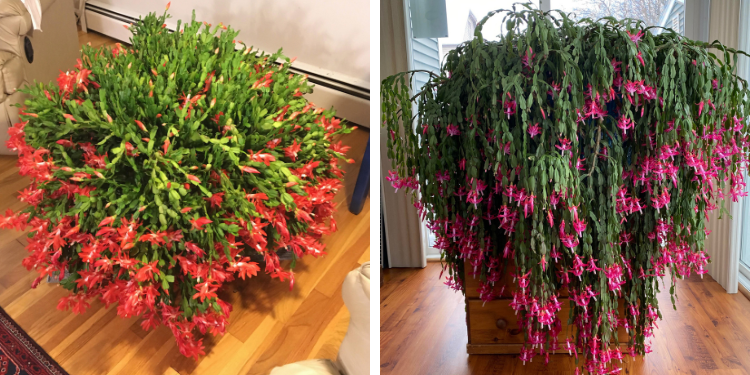
Caring for your Christmas, Thanksgiving, and Easter cacti all year round is easier once you understand their rhythm — periods of growth, rest, and bloom.