GENERAL GARDENING
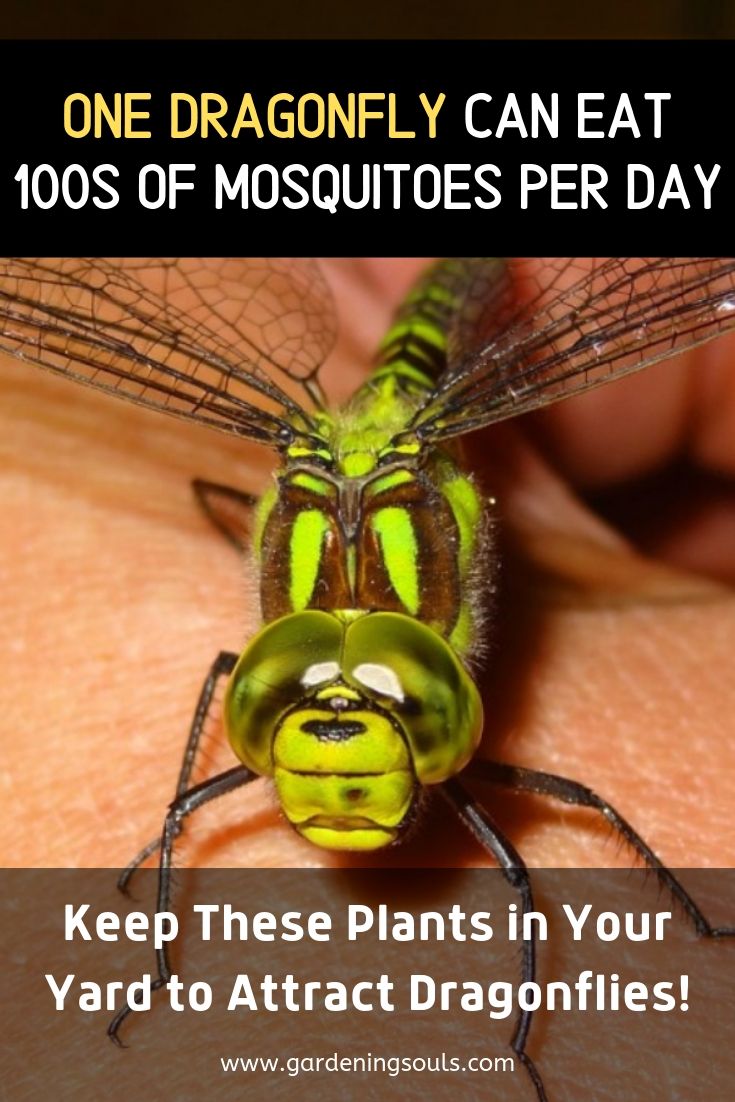
One Dragonfly Can Eat 100s of Mosquitoes per Day: Keep These Plants in Your Yard to Attract Dragonflies!
If you’re tired of dealing with pesky mosquitoes every summer, there’s a powerful, natural solution that requires no chemicals and benefits your garden’s ecosystem: dragonflies.
These beautiful, acrobatic insects are nature’s mosquito control experts. A single dragonfly can eat hundreds of mosquitoes a day, making them one of the most effective natural predators of flying pests.
But dragonflies won’t just appear in your yard by chance. They need the right environment to thrive – and plants play a major role in attracting and keeping them around.
In this detailed guide, you’ll learn how dragonflies help reduce mosquito populations, what plants will make your yard irresistible to them, and how to design a dragonfly-friendly garden.
Why Dragonflies Are Essential for Mosquito Control
Dragonflies are voracious predators at every stage of their life cycle. As aquatic nymphs (larvae), they eat mosquito larvae, tadpoles, and other insect larvae.
As adults, they feed on mosquitoes, flies, gnats, and other airborne pests. One dragonfly can consume between 30 and 100 mosquitoes a day – and some reports suggest they may eat even more.
Dragonflies are fast, agile hunters. They catch their prey mid-flight with almost surgical precision and can see in nearly all directions due to their compound eyes.
Encouraging dragonflies to take up residence in your yard means fewer mosquitoes, fewer flies, and a healthier, more balanced ecosystem.
What Dragonflies Need to Thrive
To keep dragonflies in your yard, you’ll need to recreate elements of their natural habitat. That means three main components:
- Water Sources – Dragonflies lay eggs in or near still water, such as ponds, marshes, or birdbaths.
- Shelter and Perches – They need tall grasses, reeds, and strong-stemmed plants to rest and scout for prey.
- Pollinator and Native Plants – These provide cover and attract other insects that dragonflies eat.
If you already have a pond or are thinking of installing one, you’re halfway there. Now let’s look at the plants that help make your space dragonfly-friendly.
Best Plants to Attract Dragonflies
1. Arrowhead (Sagittaria latifolia)
This native aquatic plant features arrow-shaped leaves and small white flowers. It thrives in shallow water along pond edges or in wet garden beds.
- Grows 2–3 feet tall
- Attracts dragonfly nymphs
- Provides shelter for young dragonflies
2. Blue Flag Iris (Iris versicolor)
This moisture-loving perennial adds a pop of color around pond borders. Its sword-shaped leaves provide vertical cover for dragonflies to perch.
- Grows 2–4 feet tall
- Thrives in wet soil or shallow water
- Blooming season: late spring to early summer
3. Pickerelweed (Pontederia cordata)
A favorite among wetland gardeners, this plant offers both beauty and function. Its tall spikes of purple-blue flowers bloom all summer.
- Grows up to 3 feet tall
- Ideal for pond edges and boggy areas
- Attracts dragonflies, bees, and butterflies
4. Water Lily (Nymphaea spp.)
Water lilies not only beautify ponds but provide essential shelter for dragonfly larvae and nymphs.
- Floating leaves create shade
- Flowers attract beneficial insects
- Helps reduce algae by blocking sunlight
5. Cattails (Typha spp.)
Cattails offer perching spots for adult dragonflies and hiding places for larvae in the water.
- Iconic vertical growth makes them a striking pond plant
- Grows 5–10 feet tall
- Be mindful: can spread aggressively
6. Joe-Pye Weed (Eutrochium purpureum)
This tall, native perennial with purple flower clusters is a magnet for beneficial insects – and a perfect perch for dragonflies.
- Grows up to 6 feet tall
- Prefers moist soil and full sun
- Blooms from mid to late summer
7. Swamp Milkweed (Asclepias incarnata)
Dragonflies are drawn to areas with abundant insect life. Swamp milkweed not only attracts butterflies but also brings in prey for dragonflies.
- Native to North America
- Blooms in pink or white
- Grows best in wet soil or near water
8. Meadow Sage (Salvia nemorosa)
With tall spikes of purple-blue flowers, this sun-loving plant adds vertical height that dragonflies love.
- Blooms all summer
- Drought-tolerant once established
- Attracts pollinators and beneficial insects
9. Black-Eyed Susan (Rudbeckia hirta)
These bright yellow flowers bring in bees, butterflies, and hoverflies – prime hunting grounds for hungry dragonflies.
- Grows 2–3 feet tall
- Prefers full sun
- Easy to grow and drought-tolerant
10. Yarrow (Achillea millefolium)
Yarrow is another versatile, drought-tolerant plant that supports a diverse insect population, creating an ecosystem dragonflies love.
- Long blooming season
- Grows 1–3 feet tall
- Thrives in poor soil and full sun
11. Switchgrass (Panicum virgatum)
A clump-forming ornamental grass that offers tall stems for dragonflies to perch on while hunting.
- Native prairie grass
- Grows 3–6 feet tall
- Supports biodiversity and resists erosion
12. Horsetail (Equisetum hyemale)
A prehistoric-looking plant with vertical stems that are perfect perches for dragonflies. It thrives in wet conditions.
- Low maintenance
- Can be grown in containers to prevent spreading
- Evergreen in mild climates
How to Create a Dragonfly Habitat in Your Yard
1. Build a Small Pond or Water Feature
Still or slow-moving water is essential for dragonflies to breed. Even a small pond or container water garden can work.
- Include plants with submerged, floating, and emergent vegetation
- Avoid fish that eat dragonfly larvae (like koi or goldfish)
2. Provide Vertical Perching Plants
Dragonflies like to rest on tall, sturdy plants to scout for prey. Plant ornamental grasses, reeds, and tall perennials throughout your garden.
3. Avoid Pesticides
Chemicals not only kill mosquitoes – they also harm dragonflies and the insects they feed on. Let nature maintain balance.
4. Keep a Mix of Sun and Shade
Dragonflies enjoy basking in the sun but also need cool, shady areas. A mix of both encourages them to stick around.
5. Plant in Layers
Layering plants by height creates microhabitats for various insect prey. The more food options, the more dragonflies you’ll attract.
Bonus Tips for a Mosquito-Free Garden
- Eliminate standing water in buckets, birdbaths, and containers that don’t support aquatic life.
- Add mosquito-repelling plants like lavender, lemon balm, and citronella grass to patios and decks.
- Attract birds, frogs, and bats – other natural mosquito predators.
Attracting dragonflies to your yard is one of the most natural and visually striking ways to reduce mosquito populations and enhance your garden’s biodiversity.
With the right plants and water features, your outdoor space can become a haven for these dazzling aerial hunters.
By including native and pollinator-friendly plants, avoiding chemicals, and incorporating water, you’ll not only keep mosquitoes at bay – you’ll also create a lush, living landscape that supports wildlife, improves air quality, and delights visitors all season long.