
GENERAL GARDENING
Grow Lemongrass at the Entrance – You’ll Feel the Difference Every Time You Walk In
Lemongrass (Cymbopogon citratus) is more than just a culinary delight or an herbal tea favorite. When planted at the entrance of your home, it becomes a sensory experience, a natural guardian, and a symbol of wellness and good fortune.
Known for its fresh citrusy scent, tall elegant blades, and myriad benefits, lemongrass has been used for centuries in traditional medicine, aromatherapy, and garden design.
In this detailed guide, you’ll learn why placing lemongrass near your front door is one of the most powerful yet overlooked garden choices.
We’ll explore how it enhances your entryway, repels pests, invites good energy, and improves your mood – along with exact growing tips to ensure lush growth all season long.
1. Aromatic Welcome: A Natural Mood Booster
Every time you pass by a lemongrass plant, it releases its crisp, lemony aroma into the air. This fresh scent doesn’t just smell good—it actively lifts your mood.
The scent of lemongrass has been shown to reduce stress, lower anxiety, and even ease fatigue. Walking into your home through a cloud of citrusy freshness creates a sensory ritual that marks a clean break between the outside world and your safe, relaxing space.
Lavender and rosemary are often praised for this effect, but lemongrass is even more energizing. Its sharp, clean fragrance is invigorating and grounding – perfect for rebalancing your mind after a long day.
2. Natural Insect Repellent at the Threshold
Lemongrass contains citronella, a compound well-known for its ability to repel mosquitoes, flies, and other pests. By placing it at your entryway, you’re creating a natural pest barrier without relying on chemical sprays.
Insects tend to avoid this fragrant plant, which is a major benefit during the warmer months when bugs are more active.
This natural repelling effect makes lemongrass a top choice for outdoor seating areas as well, but placing it by your front door is especially strategic.
It deters unwanted pests from entering your home while adding charm and functionality to your entrance.
3. Positive Energy and Feng Shui Benefits
According to Feng Shui principles, lemongrass promotes cleansing, clarity, and the removal of stagnant or negative energy. When positioned at your entrance, it acts like a protective energetic filter, guarding the threshold of your home.
Lemongrass is also associated with purification and mental clarity in many spiritual practices.
In traditional South Asian households, it is common to crush lemongrass leaves and scatter them near the entrance to ward off negativity. Some cultures burn dried lemongrass leaves as incense to invite good fortune and repel bad spirits.
By planting lemongrass at your front door, you tap into this age-old wisdom while adding beauty and fragrance to your space.
4. Lush Visual Appeal and Vertical Elegance
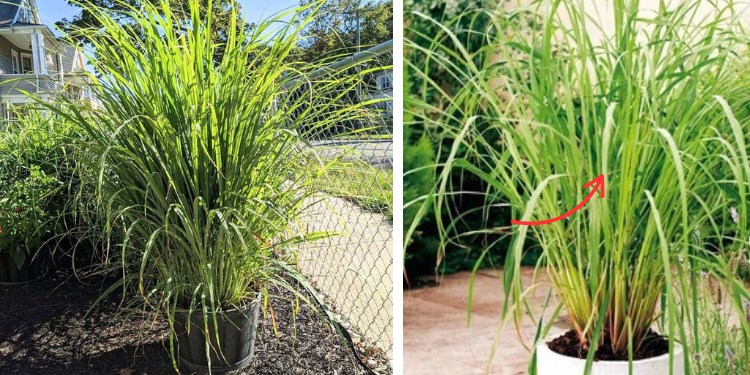
With its long, slender, blade-like leaves and tufted, fountain-like growth habit, lemongrass adds immediate structure and visual interest to your entrance. It can grow up to 3-5 feet tall, offering a sense of vertical elegance that frames your doorway.
Unlike more sprawling plants, lemongrass grows upright and neat, making it ideal for container gardening or in-ground borders without appearing messy or overgrown.
It looks especially striking when planted in decorative pots or terracotta planters on either side of a door—almost like natural sentinels.
5. Medicinal and Culinary Convenience
Another perk of growing lemongrass at your door? Instant access to one of the most versatile herbs. Lemongrass is a staple in Southeast Asian cuisine, featured in Thai curries, soups, and marinades. It also makes a refreshing herbal tea that soothes digestion and boosts immunity.
Medicinally, it has antibacterial, antifungal, and anti-inflammatory properties. Just a few snips of the leaves can be brewed into a healing decoction for colds, fevers, and headaches.
By keeping it within arm’s reach, you’re always ready to harvest some fresh for dinner or brew a calming tea after work.
6. Easy to Grow in Containers or Ground
Lemongrass is one of the easiest herbs to grow, especially in containers. It thrives in full sun and well-drained soil.
Whether you’re working with a porch, balcony, or a large garden, lemongrass adapts easily and requires minimal effort once established.
Growing Tips:
- Sunlight: Needs at least 6-8 hours of full sun per day.
- Soil: Prefers sandy or loamy, well-draining soil.
- Water: Regular watering is important; soil should remain slightly moist but not soggy.
- Spacing: If planting more than one, space them at least 24 inches apart.
- Container Growing: Choose a large pot (at least 12 inches deep) with good drainage.
- Feeding: Apply a balanced organic fertilizer once a month during the growing season.
You can also propagate lemongrass easily from stalks bought at the grocery store. Trim the tops, place the base in water until roots appear, and transplant into soil once roots are an inch long.
7. Low Maintenance, High Impact
Lemongrass is both heat and drought tolerant once established. It doesn’t attract many pests, doesn’t need constant pruning, and bounces back from mild neglect.
Despite its minimal demands, the visual, aromatic, and emotional impact it offers is enormous.
With very little input, you get a plant that offers beauty, scent, pest control, spiritual benefits, and herbal medicine all in one. It’s a multitasking marvel that brings year-round rewards, especially when positioned at the entrance of your home.
8. Seasonal Care and Overwintering
If you live in USDA zones 9-11, lemongrass can grow as a perennial outdoors. In cooler climates, treat it as an annual or bring it indoors during winter.
Before the first frost, dig it up, divide the clump, and pot the divisions for overwintering indoors near a sunny window.
Indoors, lemongrass will continue growing slowly and can still be harvested occasionally. Keep the soil moist and provide as much light as possible until it can return outside in the spring.
9. Create a Multi-Plant Entrance Arrangement
Lemongrass pairs beautifully with other entryway plants. Try combining it with:
- Lavender for fragrance and calming energy
- Basil for good luck and culinary use
- Marigolds for color and pest deterrent
- Rosemary for protection and purification
These combinations create a welcoming, lush entryway garden that supports well-being, offers visual diversity, and engages the senses.
Adding lemongrass to your front entrance is one of the easiest and most rewarding upgrades you can make to your garden. It transforms the space visually and energetically, fills the air with a revitalizing scent, deters pests, and provides practical culinary and health benefits.
Whether planted in elegant pots or directly into the soil flanking your walkway, lemongrass brings a layered richness to your entry that goes far beyond simple aesthetics.
It’s a plant that works for you in more ways than one – welcoming, healing, protecting, and refreshing you every time you return home.