
GENERAL GARDENING
6 Reasons You Should Scatter Eggshells All Over Your Garden
Eggshells are often dismissed as kitchen waste and tossed into the trash without a second thought. But for savvy gardeners, eggshells are a powerful, eco-friendly secret weapon.
Scattering eggshells all over your garden can offer a host of benefits that improve plant health, boost soil quality, and keep pests at bay.
In this article, we’ll explore six compelling reasons why you should incorporate crushed eggshells into your gardening routine and how to do it effectively.
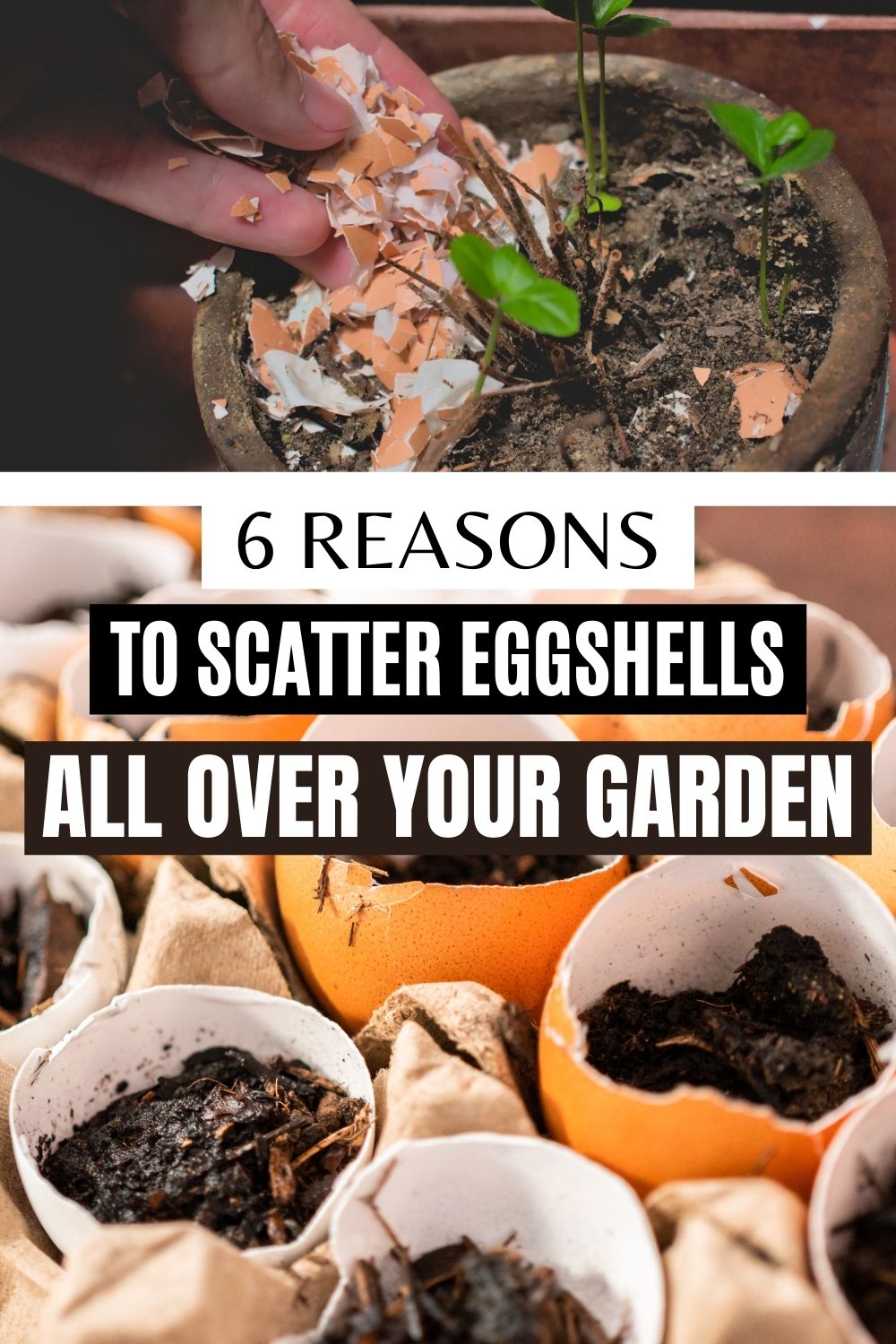
1. Natural Source of Calcium for Your Soil
Calcium is essential for healthy plant growth. It helps build strong cell walls and prevents common garden issues like blossom end rot in tomatoes, peppers, and eggplants.
Eggshells are composed of about 95% calcium carbonate, making them an excellent organic calcium supplement.
How It Works: When you scatter crushed eggshells around your plants or mix them into the soil, they slowly break down and release calcium. This slow release supports the structural development of plants over time.
Best Use: Dry the eggshells thoroughly, then crush them into small pieces or grind into a powder. Mix them into your compost or directly into the soil before planting.
2. Pest Deterrent for Slugs and Snails
Soft-bodied pests like slugs and snails can devastate your leafy greens and young seedlings overnight. Crushed eggshells act as a natural deterrent by creating a barrier with sharp edges that these pests dislike crawling over.
How It Works: Scatter a thick ring of crushed shells around the base of vulnerable plants. The abrasive texture acts as a physical barrier, discouraging slugs and snails without using harmful chemicals.
Pro Tip: Reapply after heavy rain, as water can wash away the protective barrier.
3. Enhances Compost with Extra Minerals
If you’re composting kitchen scraps, adding eggshells can significantly boost the mineral content of your compost pile. Calcium, magnesium, and other trace minerals in eggshells help enrich the compost, making it more nutritious for your garden.
How It Works: Eggshells decompose slowly, but when crushed finely, they break down faster and integrate more effectively with other compost materials.
Best Practice: Rinse shells to avoid attracting pests, dry them out, and crush them before adding to your compost bin.
4. Improves Soil Aeration and Drainage
Mixing crushed eggshells into garden soil not only adds nutrients but also enhances soil structure.
The jagged pieces help aerate compacted soils and improve drainage, which benefits root development.
How It Works: As eggshells break down, they create small air pockets in the soil. This is especially useful in clay-heavy soils where water retention and poor aeration can stunt plant growth.
Application: Add crushed eggshells to planting holes or till them into the soil before sowing seeds or transplanting.
5. Reduces Soil Acidity Naturally
Many vegetables, including beans, spinach, and cabbage, prefer slightly alkaline soil. Eggshells can help balance pH levels by acting as a natural liming agent.
How It Works: Calcium carbonate neutralizes acidity in the soil, gradually raising the pH and creating a more favorable environment for alkaline-loving plants.
Tip: Test your soil’s pH before application. Overuse of eggshells can lead to overly alkaline conditions for some acid-loving plants like blueberries.
6. Sustainable Seed Starters
Eggshell halves make excellent biodegradable seed-starting pots. They’re free, rich in calcium, and can be planted directly into the soil when it’s time to transplant.
How It Works: Fill clean, dry eggshell halves with seed-starting mix, plant your seeds, and set them in a sunny window. Once the seedlings are ready, gently crush the bottom of the shell to allow roots to spread and plant the whole thing in the ground.
Benefit: This method minimizes transplant shock and adds a small boost of nutrients right at the root zone.
Bonus Tip: How to Prepare and Store Eggshells
- Clean Thoroughly: Rinse eggshells to remove residue and prevent odors or attracting pests.
- Dry Completely: Spread them on a baking sheet or let them air dry for a few days.
- Crush or Grind: Use a mortar and pestle, rolling pin, or food processor.
- Store for Later Use: Keep crushed shells in an airtight container until ready to use.
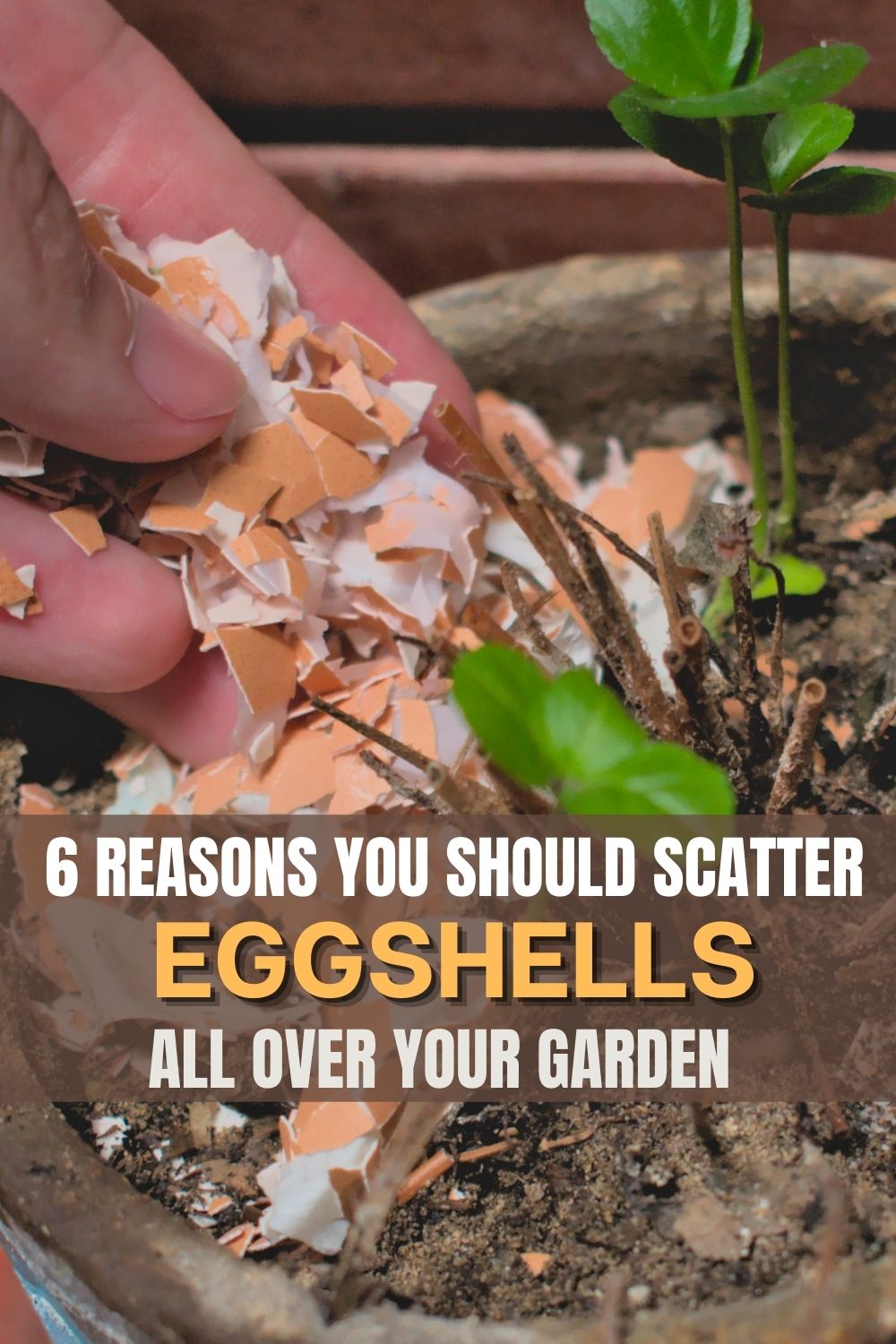
Eggshells are more than just kitchen waste; they’re a multifunctional, sustainable tool for gardeners who want to grow healthier, stronger, and more productive plants.
From improving soil quality and nutrient levels to repelling pests and starting seeds, these humble shells offer surprising value. So next time you crack an egg, think twice before tossing the shell – your garden will thank you.