
GENERAL GARDENING
6 Mind Blowing Reasons Why You Should Sprinkle Cinnamon on Your Plants
Cinnamon is more than just a kitchen staple that adds warmth and sweetness to baked goods.
This aromatic spice, derived from the bark of Cinnamomum trees, has powerful antifungal, antibacterial, and pest-repelling properties that make it a surprisingly effective tool in the garden.
Whether you’re growing houseplants, herbs, or vegetables, sprinkling cinnamon on your plants can support healthier growth, protect against common garden threats, and even encourage propagation.
In this detailed guide, we explore six powerful, science-backed reasons why every gardener should keep a jar of cinnamon close by – and exactly how to use it for maximum benefit.
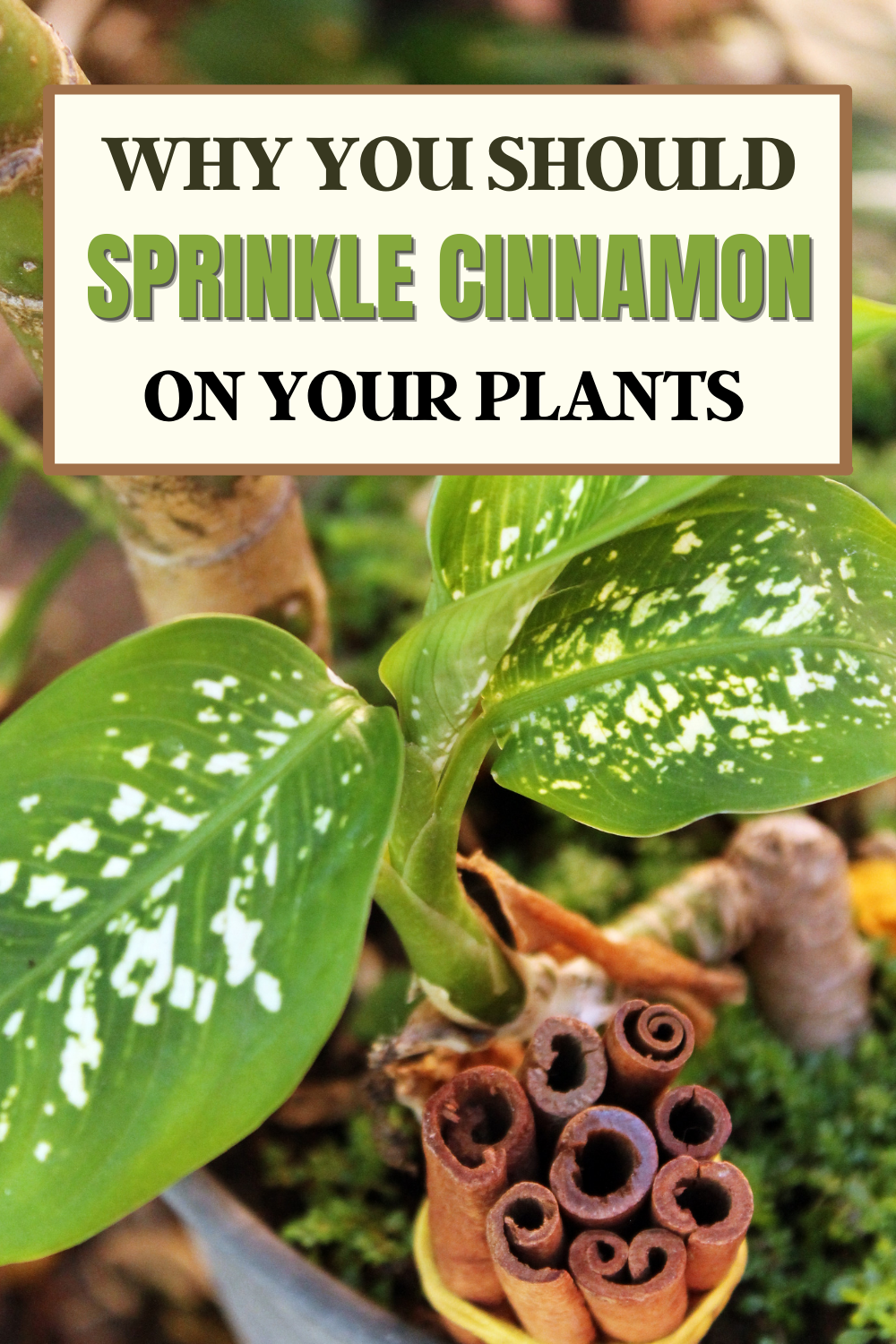
1. Cinnamon Prevents and Treats Fungal Infections
Fungal infections are one of the most common threats to garden plants. Damping-off disease – a condition that affects seedlings – is caused by fungi like Pythium, Fusarium, and Rhizoctonia.
These fungi can rot seedlings at the soil level, often killing them before they even get a chance to grow.
How Cinnamon Helps: Cinnamon is a natural fungicide. Its key component, cinnamaldehyde, inhibits fungal growth and prevents spores from taking hold in the soil.
How to Use It:
- Sprinkle powdered cinnamon lightly over seedling soil to prevent damping-off.
- Mix cinnamon with warm water (1 tablespoon per liter) to make a DIY antifungal spray for mature plants and soil.
Best Time to Apply: At the time of planting or when fungal symptoms first appear.
2. Cinnamon Deters Ants and Crawling Insects
Ants aren’t just a nuisance; they can farm aphids for their sugary honeydew, worsening pest infestations. Cinnamon disrupts ant pheromone trails, making it harder for them to navigate and communicate.
How Cinnamon Helps: The strong aroma of cinnamon masks scent trails and repels ants naturally. It also deters other insects like spider mites, gnats, and mealybugs.
How to Use It:
- Sprinkle cinnamon in a line around garden beds, potted plants, or houseplants to create a natural barrier.
- Mix a bit of cinnamon into the potting mix for indoor plants to repel soil gnats.
Pro Tip: Use ground cinnamon (not cinnamon sticks or oil) for best results in repelling ants.
3. Cinnamon Encourages Rooting in Cuttings
Many gardeners use synthetic rooting hormone when propagating cuttings. Cinnamon is a natural and affordable alternative.
How Cinnamon Helps: Cinnamon contains antimicrobial compounds that protect cuttings from fungal and bacterial infections, allowing them to focus on root development.
How to Use It:
- Dip the cut end of your cutting into water, then roll it in powdered cinnamon before planting in soil.
- Combine cinnamon with crushed aspirin and honey to make a potent homemade rooting compound.
Works Best With: Soft-stemmed herbs (mint, basil), houseplants (pothos, philodendron), and flowering plants like roses and geraniums.
4. Cinnamon Heals Plant Wounds and Prevents Rot
Plants that suffer physical damage from pruning, pests, or weather can be left vulnerable to infections and decay.
How Cinnamon Helps: Cinnamon acts as a natural antiseptic. It helps seal wounds, dry out damaged tissue, and prevent infection.
How to Use It:
- Dust cinnamon over pruning cuts or broken stems to encourage healing.
- Apply cinnamon to the base of plants affected by rot to halt the spread.
When to Apply: Immediately after pruning or damage occurs.
Ideal For: Succulents, fruit trees, houseplants, and ornamental shrubs.
5. Cinnamon Protects Seedlings from Pests and Disease
Young seedlings are particularly vulnerable to pests, mold, and fungal disease. A light dusting of cinnamon can form a protective barrier that helps them establish strong roots.
How Cinnamon Helps: Cinnamon’s antimicrobial and pest-repelling properties keep the delicate ecosystem of seedlings safe.
How to Use It:
- Sprinkle cinnamon over the surface of seed-starting trays or directly on top of the soil.
- Repeat every few days to maintain a consistent barrier.
Bonus Tip: If your seedlings are struggling with gnats, cinnamon can help eliminate larvae in the top layer of the soil.
6. Cinnamon Can Be Used as a Natural Plant Tonic
In addition to treating problems, cinnamon can also boost overall plant health.
How Cinnamon Helps: Cinnamon improves soil health by inhibiting harmful microbial activity. When used in moderation, it can help maintain a balanced environment in both container and garden soils.
How to Use It:
- Brew a cinnamon tea: mix 1 tablespoon of cinnamon in a liter of hot water, let steep for 30 minutes, strain, and use as a foliar spray or soil drench.
- Use once every 2–4 weeks as a preventative treatment.
Additional Benefits: Improved plant vigor, glossier foliage, and increased resistance to common pathogens.
Extra Tips for Using Cinnamon in the Garden
- Avoid overuse: While cinnamon is natural, too much can dry out soil or affect beneficial microbes. Use sparingly.
- Combine with other natural remedies: Cinnamon pairs well with neem oil, vinegar, or garlic sprays for multi-action pest control.
- Always test first: Try on one plant before widespread application to ensure your plants respond well.
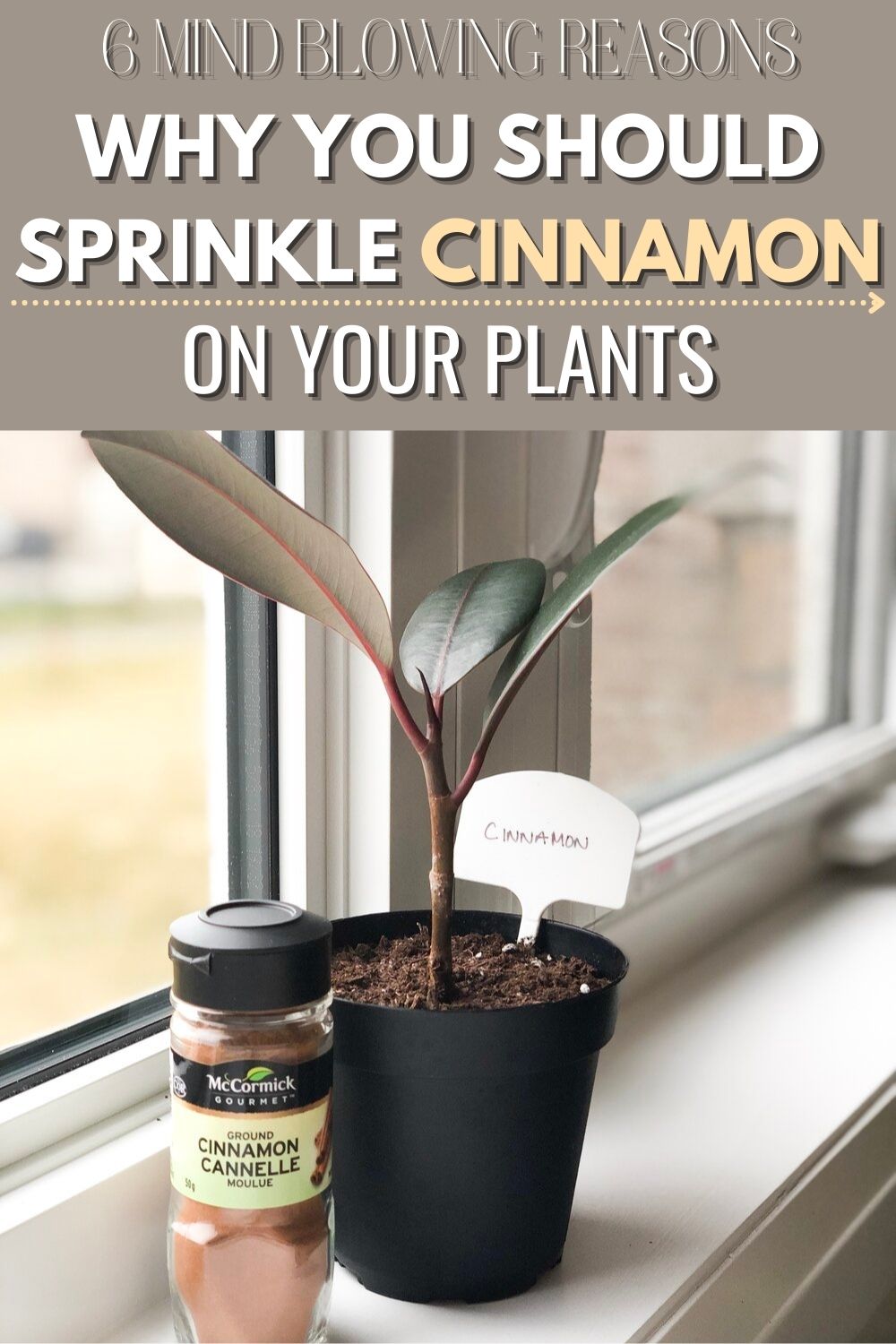
Cinnamon isn’t just for baking anymore. From preventing fungal infections to repelling pests and supporting propagation, this simple spice can transform the health and vitality of your garden.
By using cinnamon strategically, you can reduce reliance on chemicals, promote stronger plants, and enjoy a safer, more sustainable gardening experience.
Whether you’re a novice plant parent or a seasoned gardener, keeping cinnamon in your garden toolkit is one of the easiest and most effective hacks you’ll ever try.