GENERAL GARDENING
5 Plants That Attract Dragonflies Instantly (and Keep Mosquitoes Away)
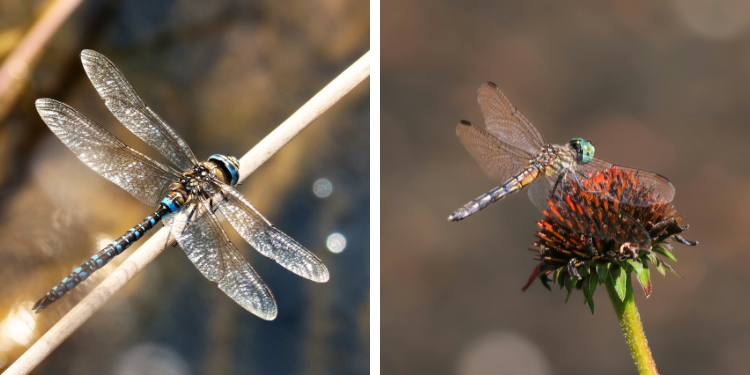
Few sights in the garden are as magical as a dragonfly hovering gracefully above a pond or flower bed – shimmering wings catching the sunlight like tiny prisms.
But beyond their beauty, dragonflies are some of nature’s most effective pest controllers, especially when it comes to mosquitoes.
Why You Want Dragonflies in Your Garden
Dragonflies are far more than pretty garden guests – they’re a sign of a healthy, thriving ecosystem.
Here’s why they’re so beneficial:
-
Mosquito control: Both adult dragonflies and their aquatic larvae devour mosquitoes at every life stage.
-
Pollination support: While not major pollinators like bees, dragonflies help spread pollen as they perch and move between plants.
-
Ecosystem balance: They feed on gnats, flies, midges, and other small pests – keeping populations in check.
-
Natural beauty: Their iridescent wings and agile flight patterns add color, motion, and serenity to your garden.
Dragonflies are attracted to gardens that mimic their natural habitats – typically near water, sunlight, and lush greenery.
By choosing the right mix of aquatic and moisture-loving plants, you can turn your outdoor space into a dragonfly haven.
1. Water Lilies (Nymphaea spp.)
Best for: Ponds, water features, and container water gardens
If you want to bring dragonflies to your yard fast, start with water lilies. These iconic aquatic plants are magnets for dragonflies because they provide everything these insects need: calm water, perching spots, and cover for their larvae.
Why Dragonflies Love Them:
-
Egg-laying habitat: Female dragonflies lay eggs on or near aquatic vegetation, and lily pads provide the perfect surface.
-
Shade and protection: The broad leaves shelter dragonfly nymphs (and other beneficial insects) from predators like fish and birds.
-
Perching platform: Dragonflies use lily pads and stems as resting and hunting spots.
Added Bonus:
Water lilies also help reduce mosquito breeding by shading the water’s surface, which prevents mosquito larvae from thriving in the sunlight.
Planting Tip: Use a large container or pond with still or slow-moving water. Plant water lilies in heavy soil topped with pea gravel, and place them about 12–24 inches below the water’s surface. Full sun (at least 6 hours daily) encourages the best blooms – and attracts more dragonflies.
2. Pickerelweed (Pontederia cordata)
Best for: Pond edges, wet soil, or rain gardens
Pickerelweed is a stunning aquatic perennial that produces tall spikes of violet-blue flowers from late spring through summer. The blooms rise above the water, attracting dragonflies that perch on the stems while scanning for mosquitoes and other prey.
Why Dragonflies Love Them:
-
Perfect perches: The tall flower spikes offer elevated resting spots for dragonflies to hunt and bask in sunlight.
-
Moisture habitat: The shallow water and muddy soil around pickerelweed are ideal for dragonfly nymphs to develop safely.
-
Pond life support: Pickerelweed roots help oxygenate and filter the water, keeping it clean and healthy for all pond life.
Extra Benefits:
-
Attracts pollinators like bees and butterflies
-
Suppresses algae and unwanted weeds in ponds
-
Adds gorgeous vertical texture to your garden’s edge
Planting Tip: Plant in containers submerged 3–5 inches below the water’s surface, or directly at the edge of ponds and wet areas. Pickerelweed thrives in full sun and rich, moist soil.
3. Arrowhead (Sagittaria latifolia)
Also known as: Duck potato, wapato, or arrowleaf
Best for: Natural ponds, rain gardens, and water features
Arrowhead is another wetland favorite that dragonflies adore. Its arrow-shaped leaves rise elegantly from shallow water, while its white three-petaled flowers provide both beauty and function.
Why Dragonflies Love Them:
-
Breeding habitat: Dragonfly nymphs attach to the submerged stems, making arrowhead plants ideal for egg-laying.
-
Perching stems: Adult dragonflies use the tall stalks to rest and spot prey.
-
Calm water zones: Arrowhead plants grow best in shallow, slow-moving water — the exact environment dragonflies prefer for hunting mosquitoes.
Bonus Benefits:
-
Provides habitat for frogs (which also eat mosquitoes!)
-
Cleanses pond water by absorbing excess nutrients
-
Produces edible tubers once eaten by Indigenous peoples
Planting Tip: Grow arrowhead in water up to 6 inches deep, in full to partial sunlight. It spreads quickly, so give it space to naturalize near pond edges or marshy spots.
4. Swamp Milkweed (Asclepias incarnata)
Best for: Moist gardens, rain gardens, and near ponds
While most gardeners know milkweed as the host plant for monarch butterflies, swamp milkweed plays a double role — it also draws dragonflies with its nectar-rich blooms and moist-growing conditions.
Why Dragonflies Love It:
-
Moisture magnet: Dragonflies love to hunt near damp soil and standing water, and swamp milkweed thrives in exactly those environments.
-
Resting site: The tall stems and clusters of pink flowers make excellent perching spots.
-
Mosquito competition: By attracting beneficial insects like dragonflies, bees, and butterflies, swamp milkweed creates a lively, balanced ecosystem that naturally suppresses pests.
Added Benefits:
-
Fragrant blooms from mid-summer to fall
-
Attracts pollinators and beneficial predators
-
Native and low-maintenance once established
Planting Tip: Plant swamp milkweed in full sun and consistently moist soil. It’s perfect for borders near ponds or along low-lying, damp areas. Avoid common milkweed if your space is dry — Asclepias incarnata is the moisture-loving variety that dragonflies prefer.
5. Cattails (Typha latifolia)
Best for: Natural ponds, wet ditches, or marshy areas
Nothing says “wetland habitat” quite like cattails — those tall, graceful reeds with the iconic brown seed spikes. They’re essential for creating the kind of micro-ecosystem dragonflies need to breed and thrive.
Why Dragonflies Love Them:
-
Breeding ground: Dragonfly nymphs cling to cattail stems underwater as they grow and molt.
-
Emergence site: When ready to transform into adults, dragonflies crawl up the cattail stalks to dry their wings in the sun.
-
Natural mosquito control: Cattails help maintain pond health, reducing algae and mosquito larvae habitats.
Bonus Benefits:
-
Filters and oxygenates pond water
-
Provides nesting material for birds
-
Adds vertical drama and texture to the garden
Planting Tip: Cattails spread quickly, so they’re best suited for larger ponds or wetland areas. Plant them in water 6–12 inches deep and full sun. For small gardens, consider dwarf cattail varieties (Typha minima) that stay compact but provide the same benefits.
Bonus Picks: Other Great Plants for Attracting Dragonflies
If you want to expand your dragonfly-friendly landscape, here are more plants that work beautifully:
| Plant | Why It Attracts Dragonflies | Growing Tips |
|---|---|---|
| Blue Flag Iris (Iris versicolor) | Offers stems for perching and prefers moist soil | Plant in full sun to partial shade near water |
| Marsh Marigold (Caltha palustris) | Provides early spring nectar and shelter | Likes cool, damp soil near ponds or streams |
| Water Horsetail (Equisetum fluviatile) | Tall, reed-like structure ideal for perching | Grow in shallow water or marshy soil |
| Lizard’s Tail (Saururus cernuus) | Dense cover for dragonfly nymphs | Perfect for shaded wetlands |
| Joe-Pye Weed (Eutrochium purpureum) | Tall and nectar-rich; attracts pollinators and dragonflies | Full sun to partial shade, moist soil |
These companion plants can help extend the season of dragonfly activity — from early spring through late summer.
Designing a Dragonfly-Friendly Garden
To attract dragonflies instantly, you need more than just plants — you need to create a balanced habitat that meets their needs at every stage of life.
Here’s how:
1. Add a Water Source
Dragonflies spend most of their lives in water as nymphs, so a pond, small pool, or even a container water garden is essential.
-
Keep the water calm — dragonflies prefer still or slow-moving water.
-
Avoid using fish that eat dragonfly larvae (like koi or goldfish).
-
Use stones and aquatic plants to give nymphs hiding places.
2. Provide Sunny Perches
Dragonflies are solar-powered hunters. They need open spaces to bask in the sun and scan for prey. Add flat rocks, tall stems, or bamboo stakes near your pond — they’ll use these as natural lookout points.
3. Skip the Pesticides
Chemical sprays don’t just kill mosquitoes — they harm dragonflies too. Instead, rely on natural pest control by inviting beneficial insects and birds into your garden.
4. Create Layered Vegetation
Plant a mix of tall reeds, medium shrubs, and low-growing plants. This diversity offers shelter, perching areas, and hunting zones.
5. Keep Lights Low at Night
Dragonflies are diurnal, meaning they’re active during the day. Excessive outdoor lighting attracts mosquitoes but can disturb dragonfly activity and other beneficial nocturnal wildlife.
Why Dragonflies Are Better Than Chemical Mosquito Control
Many people rely on sprays, foggers, or mosquito pellets, but these often harm pollinators and aquatic life. Dragonflies, on the other hand, provide completely natural, chemical-free mosquito control.
Each adult dragonfly can consume:
-
Up to 100 mosquitoes per day
-
Or nearly 30,000 per season!
Meanwhile, their larvae eat mosquito larvae right at the source — in water.
By planting a dragonfly-friendly garden, you’re not just decorating your landscape; you’re building a self-sustaining ecosystem that works with nature, not against it.
How Long Until Dragonflies Appear?
If you’re creating a new pond or water garden, dragonflies can start appearing within weeks during warm months.
However, it can take a full year for a permanent colony to establish, since their eggs and nymphs develop underwater for several months before emerging as adults.
Keep your water clean, avoid chemicals, and maintain plenty of vegetation — soon, you’ll see dragonflies circling your garden regularly.
Fun Fact: Dragonflies Are Among Earth’s Oldest Species
Dragonflies have been around for over 300 million years, predating dinosaurs. Ancient dragonflies had wingspans up to two feet wide!
Their survival across eons proves how perfectly adapted they are — and why welcoming them into your garden connects you to one of the oldest living symbols of balance and transformation.
If you want a mosquito-free garden filled with movement, color, and life, there’s no better ally than the dragonfly.